

English
- English
- Español
- عربي
- français
- Deutsch
Wall Formwork Materials Comparison: How to Choose the Right Material
Time: 2026-08-14 15:51:17
Author: Linyi Camel Plywood Co., Ltd
Click:
Wall formwork is an essential part of concrete construction. It provides tempora
Wall formwork is an essential part of concrete construction. It provides temporary support for freshly poured concrete and determines the final shape, dimensions, and surface quality of concrete walls.
Choosing the right wall formwork materials can directly affect construction efficiency, labor costs, concrete quality, and the number of times a formwork system can be reused.
Common materials used for wall formwork include film faced plywood, traditional timber, steel, aluminum, and plastic formwork panels. Each material has different advantages and limitations.
For contractors, formwork companies, and construction material buyers, understanding these differences is important when selecting a suitable wall formwork solution.

What Is Wall Formwork?
Wall formwork is a temporary structure used to support and shape concrete walls during construction.
A typical wall formwork system may include:
- Formwork plywood
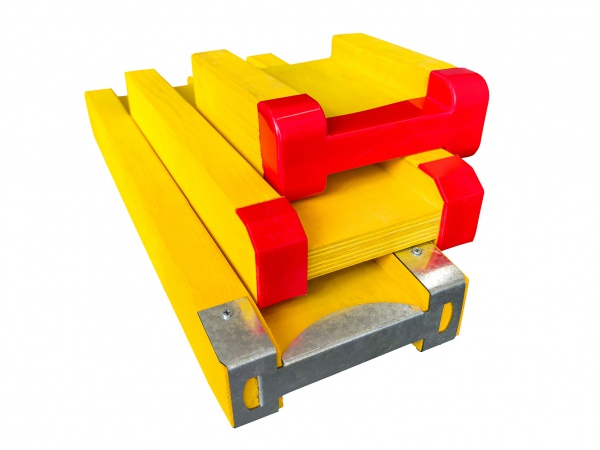
- H20 timber beams
- Steel walers
- Tie rods
- Clamps and connectors
- Adjustable supports
The system must withstand the pressure generated by fresh concrete while maintaining accurate dimensions and alignment.
After the concrete reaches the required strength, the formwork is removed and, depending on the material and design, reused on another section of the project.
Common Materials for Wall Formwork
1. Film Faced Plywood
Film faced plywood is one of the most widely used materials for wall formwork.
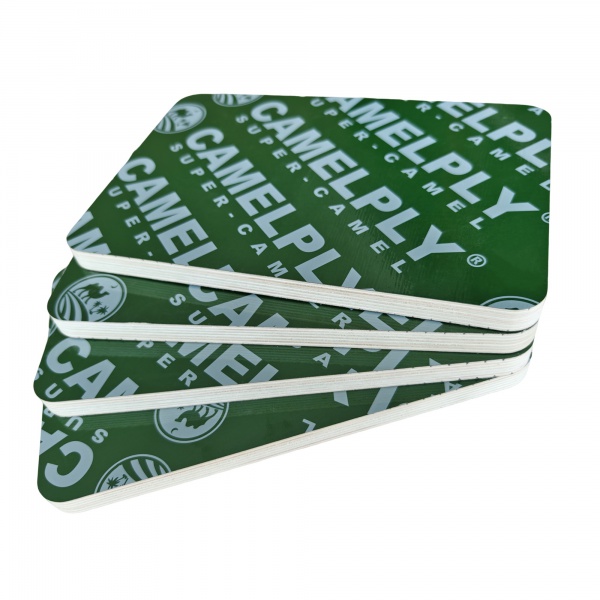
It consists of multiple veneer layers bonded together and covered with a waterproof film.
Typical construction-grade film faced plywood features:
- Hardwood or eucalyptus core
- WBP waterproof glue
- Phenolic film or PP plastic film
- Waterproof edge sealing
Advantages
Smooth concrete finish
The film surface helps produce a relatively smooth concrete surface and can reduce the need for additional finishing.
Good strength
High-quality hardwood core plywood provides good bending strength and dimensional stability.
Lightweight
Compared with steel formwork panels, plywood is easier to handle and install on many construction sites.
Flexible
Plywood panels can be cut and adapted to different wall dimensions and project requirements.
Reusable
High-quality film faced plywood can be reused multiple times when properly handled and maintained.
Best Applications
Film faced plywood is suitable for:
- Residential buildings
- Commercial buildings
- High-rise construction
- Basement walls
- Retaining walls
- Infrastructure projects
2. Traditional Timber Formwork
Traditional timber boards have been used for concrete formwork for many years.
They are relatively easy to cut and adapt to different shapes.
Advantages
- Low initial investment
- Easy to process
- Flexible for irregular structures
- Suitable for small projects
Disadvantages
Traditional timber generally has:
- Lower dimensional stability
- Lower reuse potential
- Greater moisture sensitivity
- Less consistent surface quality
For large-scale projects requiring repeated formwork cycles, film faced plywood is generally a more efficient option.
3. Steel Formwork
Steel formwork uses fabricated steel panels to create concrete walls.
Advantages
- High structural strength
- Excellent dimensional accuracy
- High durability
- Suitable for repeated use
Steel formwork can be particularly useful for standardized projects where the same wall dimensions are repeated many times.
Disadvantages
- Heavy
- Higher initial investment
- Requires lifting equipment in many applications
- More difficult to modify on site
- Transportation can be more expensive
Steel systems can be an excellent choice for large projects, but they may not provide the same flexibility as plywood-based systems.
4. Aluminum Formwork
Aluminum formwork is a lightweight modular system designed for repetitive construction.
Advantages
- Lightweight compared with steel
- High dimensional accuracy
- Fast installation
- High reuse potential
- Suitable for standardized building designs
Disadvantages
- Higher initial investment
- Requires detailed design
- Less flexible for major changes during construction
- Not always economical for small or customized projects
Aluminum systems are often considered for large residential developments with repetitive floor plans.
5. Plastic Formwork
Plastic formwork panels are manufactured from durable polymer materials.
Advantages
- Lightweight
- Resistant to moisture
- Easy to clean
- Reusable
- Resistant to corrosion
Disadvantages
- Lower rigidity in some applications
- Performance varies significantly by product quality
- May not be suitable for very high concrete pressures
Plastic systems can be useful for lightweight and repetitive construction applications.
Wall Formwork Materials Comparison
| Material | Strength | Weight | Reusability | Flexibility | Initial Cost |
|---|---|---|---|---|---|
| Film Faced Plywood | High | Lightweight | High | Excellent | Medium |
| Traditional Timber | Medium | Lightweight | Low | Excellent | Low |
| Steel | Very High | Heavy | Very High | Medium | High |
| Aluminum | High | Lightweight | Very High | Medium | High |
| Plastic | Medium | Very Lightweight | High | Good | Medium |
The best material depends on the project design, number of reuse cycles, labor availability, transportation requirements, and budget.
Film Faced Plywood vs Steel Formwork
One of the most common purchasing decisions is choosing between plywood-based wall formwork and steel formwork.
Film Faced Plywood
Best when the project requires:
- Flexible panel sizes
- Easy on-site modification
- Lower handling weight
- Competitive initial cost
- Smooth concrete surfaces
Steel Formwork
Best when the project requires:
- Extremely high durability
- Repeated standardized dimensions
- High structural rigidity
- Long-term system reuse
For projects with changing wall dimensions or different architectural requirements, plywood generally offers greater flexibility.
Why Core Quality Matters in Wall Formwork
The core is one of the most important factors when selecting film faced plywood.
Poor-quality cores can result in:
- Internal voids
- Delamination
- Reduced bending strength
- Edge damage
- Shorter service life
For demanding wall formwork applications, buyers commonly consider hardwood core plywood or high-quality eucalyptus core plywood.
A good core should provide:
- Consistent density
- Strong veneer bonding
- Good dimensional stability
- Low internal voids
- Reliable load-bearing performance
Why WBP Glue Is Important
Wall formwork is exposed to water, wet concrete, and changing site conditions.
Therefore, construction plywood should use an adhesive suitable for wet environments.
WBP glue provides strong bonding and improved water resistance compared with interior-grade adhesives.
It helps reduce the risk of:
- Delamination
- Veneer separation
- Swelling
- Premature panel failure
For professional concrete formwork, buyers should confirm the glue specification before purchasing.
Film Surface Options for Wall Formwork
Phenolic Film
Phenolic film is widely used in traditional film faced plywood.
It provides:
- Smooth surface
- Good water resistance
- Wear resistance
- Good concrete finishing performance
PP Plastic Film
PP film faced plywood uses a polypropylene surface.
Potential advantages include:
- High abrasion resistance
- Easy cleaning
- Good moisture resistance
- Long service life
The appropriate film type depends on project requirements and expected reuse cycles.
How to Choose the Right Wall Formwork Material
Before purchasing, consider these factors.
1. Project Scale
Small projects may benefit from flexible plywood solutions.
Large repetitive projects may justify investing in steel or aluminum formwork systems.
2. Number of Reuse Cycles
If the formwork will be reused frequently, prioritize:
- Durable surface film
- Strong core
- WBP glue
- Good edge sealing
3. Concrete Pressure
Higher wall heights and faster concrete pouring can create greater pressure on the formwork.
The formwork system must therefore be designed according to the project's structural requirements.
4. Labor and Equipment
Lightweight materials such as plywood and aluminum are easier to handle than heavy steel panels.
5. Concrete Surface Requirements
If a smooth concrete finish is required, high-quality film faced plywood can be an effective solution.
6. Transportation Costs
For international projects, material weight and packing efficiency can significantly affect logistics costs.
Common Wall Formwork Problems
Poor material selection or improper installation can cause several problems.
Concrete Leakage
Often related to:
- Poor panel joints
- Damaged edges
- Incorrect connections
Panel Deformation
May result from:
- Excessive concrete pressure
- Insufficient support
- Low-quality plywood
Delamination
Usually associated with:
- Poor glue
- Low-quality core
- Excessive moisture exposure
Poor Concrete Finish
Can result from:
- Damaged film
- Dirty panels
- Uneven plywood surfaces
- Improper release-agent application
Proper material selection and site handling can significantly reduce these problems.
Wall Formwork System Using Film Faced Plywood and H20 Beams
A plywood-based wall formwork system commonly combines film faced plywood with H20 timber beams and supporting accessories.
A typical structure includes:
Film Faced Plywood → H20 Timber Beams → Steel Walers → Tie Rods → Supports
The plywood provides the concrete-facing surface, while the H20 beams and supporting components distribute loads and maintain system stability.
This combination offers a practical balance between:
- Strength
- Weight
- Flexibility
- Installation efficiency
- Cost
Why Choose CAMELPLY Wall Formwork Plywood?
CAMELPLY specializes in manufacturing plywood for professional construction and concrete formwork applications.
Our products can be supplied with:
- Hardwood core
- Eucalyptus core
- WBP waterproof glue
- Phenolic film
- PP plastic film
- Waterproof edge sealing
Our quality control process covers raw materials, veneer preparation, bonding, hot pressing, film application, edge treatment, and final inspection.
CAMELPLY supplies construction plywood to contractors, distributors, importers, and formwork companies in international markets.
For buyers looking for a reliable wall formwork plywood supplier, we can provide product specifications, samples, loading information, and customized solutions according to project requirements.
Conclusion
There is no single material that is ideal for every wall formwork project.
Film faced plywood offers an excellent combination of strength, lightweight handling, flexibility, concrete surface quality, and cost efficiency. Steel and aluminum systems provide higher levels of durability and repeatability, while traditional timber and plastic can be useful for specific applications.
For many construction projects, a plywood-based wall formwork system using high-quality film faced plywood and H20 timber beams provides a practical and efficient solution.
The key is to select materials according to project requirements rather than focusing only on the initial purchase price.
Frequently Asked Questions
What is the best material for wall formwork?
For many construction applications, high-quality film faced plywood is an effective choice because it combines strength, smooth surface quality, lightweight handling, flexibility, and reusability.
What plywood is used for wall formwork?
Construction-grade film faced plywood is commonly used. Hardwood core or eucalyptus core plywood with WBP glue is suitable for demanding concrete formwork applications.
Is film faced plywood better than steel formwork?
It depends on the project. Film faced plywood is lighter and more flexible, while steel offers greater rigidity and very high reuse potential. Project scale, design repetition, labor, and budget should all be considered.
How can wall formwork plywood last longer?
Store panels flat and dry, avoid dropping them, clean concrete residue after use, protect edges from damage, and use suitable release agents.
Share Us

点击右上角
分享给朋友吧
Sign up for our newsletter to stay up-to-date with our promotions, discounts, sales, and special offers
INFORMATION
TOP-SELLING PRODUCTS
CONTACT US

No.11, Chuang ye Road of Yitang Industrial Park, Linyi City, China.

0086-178-5394-3002

info@camelply.com
Copyright © Fortune BM 2022 All Rights Reserved.