

English
- English
- Español
- عربي
- français
- Deutsch

Timber Supply Impact on the Global Plywood Industry
Time: 2026-04-10 14:24:43
Author: Linyi Camel Plywood Co., Ltd
Click:
Timber Supply Impact on the Global Plywood IndustryThe global plywood industry i
Timber Supply Impact on the Global Plywood Industry
The global plywood industry is intricately linked to the availability and quality of timber, which serves as the primary raw material for plywood production. Fluctuations in timber supply, whether due to environmental policies, logging restrictions, or market demand, have far-reaching consequences on the plywood market, affecting pricing, production capacity, and global trade patterns.
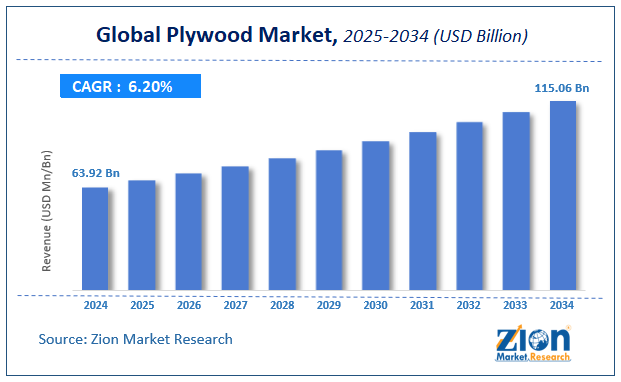
1. Dependence on Timber Resources
Plywood is manufactured by layering thin sheets of wood veneer and bonding them with adhesives. The quality of the plywood largely depends on the type of timber used. Hardwood species such as birch, eucalyptus, and poplar are preferred in many regions for their durability and aesthetic appeal. Softwood species, including pine and fir, are used primarily for structural applications.
Global plywood producers rely on consistent timber supply to maintain production schedules. Any disruption—whether from natural disasters, deforestation controls, or transportation challenges—can lead to bottlenecks in the supply chain.
2. Factors Affecting Timber Supply
Several key factors influence timber availability:
- Environmental Regulations: Many countries have implemented stricter logging regulations to combat deforestation and protect biodiversity. For example, Southeast Asian nations like Indonesia and Malaysia have enforced sustainable forest management certifications, which can limit the volume of legally harvestable timber.
- Climate Change and Natural Disasters: Wildfires, storms, and pest infestations can reduce timber stocks unexpectedly, creating temporary shortages and driving prices upward.
- Global Demand Shifts: Increasing demand from construction, furniture, and packaging sectors can strain existing timber resources, especially in regions where reforestation efforts lag behind consumption rates.
- Trade Policies and Tariffs: Export restrictions, tariffs, or sanctions can limit the flow of timber from major producing countries, forcing manufacturers to seek alternative sources, often at higher costs.
3. Impact on the Plywood Industry
Price Volatility
Timber supply shortages directly translate to increased raw material costs, which are then passed on to plywood manufacturers and ultimately to end consumers. Historically, periods of timber scarcity have caused plywood prices to spike, particularly for high-quality hardwood veneers.
Production Adjustments
Limited timber availability can force plywood mills to reduce output or switch to lower-quality wood species. This affects not only production volume but also product consistency, which may impact brand reputation in international markets.
Shifts in Global Trade
Countries that rely heavily on imported timber for plywood production, such as Japan, the United States, and many European nations, are particularly vulnerable to supply disruptions. In response, these nations may diversify sourcing to countries with more abundant or sustainably managed forests, reshaping trade patterns.
4. Sustainability and Future Trends
The plywood industry is increasingly emphasizing sustainable timber sourcing. Certifications such as FSC (Forest Stewardship Council) and PEFC (Programme for the Endorsement of Forest Certification) have become crucial for market acceptance, particularly in Europe and North America.
Future trends likely include:
- Increased Use of Plantation Timber: Fast-growing plantation species are being cultivated to reduce dependence on natural forests.
- Recycling and Alternative Materials: Manufacturers are exploring engineered wood products, bamboo, and agricultural residues as partial substitutes for traditional timber.
- Digital Supply Chain Management: Advanced tracking and predictive analytics help manufacturers optimize timber sourcing and mitigate risks from supply fluctuations.
5. Conclusion
Timber supply is the backbone of the global plywood industry, influencing pricing, production, and international trade. Sustainable management of forest resources, diversification of timber sources, and adoption of alternative materials will be key strategies for plywood manufacturers to navigate the challenges of supply volatility. Companies that proactively address these supply chain risks will be better positioned to maintain competitiveness and meet the growing global demand for high-quality plywood.
Share Us

点击右上角
分享给朋友吧
Sign up for our newsletter to stay up-to-date with our promotions, discounts, sales, and special offers
INFORMATION
TOP-SELLING PRODUCTS

CONTACT US

No.11, Chuang ye Road of Yitang Industrial Park, Linyi City, China.

0086-178-5394-3002

info@camelply.com
Copyright © Fortune BM 2022 All Rights Reserved.